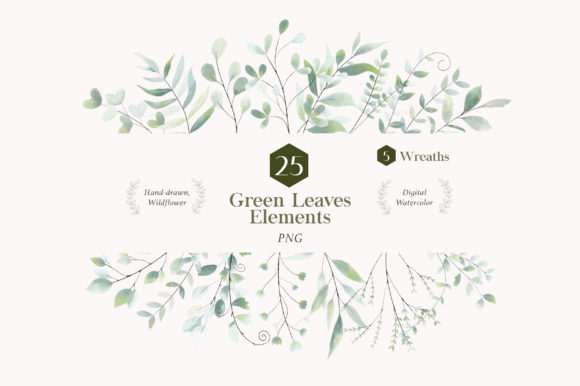
Watercolor Green Leaves PNG: Fresh Illustrations for Blogs
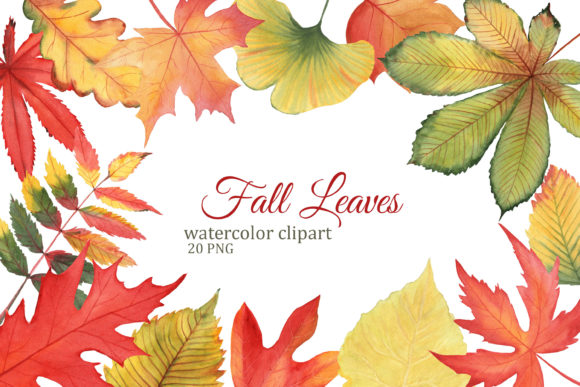
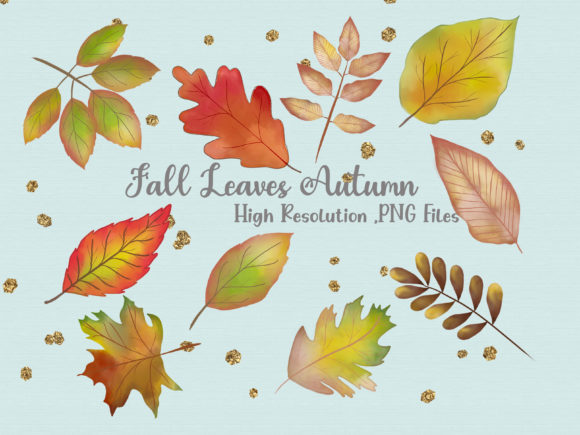
As a digital publisher who has spent years refining the visual identity of multiple content websites, I know that the difference between a site that feels amateur and one that commands authority often comes down to the graphic design asset choices we make. When I first opened the folder for the Watercolor Green Leaves PNG, my immediate reaction was one of relief. In a landscape cluttered with flat, overused vector icons, this collection offers a breath of fresh air. The texture is palpable; you can almost feel the grain of the paper and the wetness of the paint. It creates an editorial mood that is simultaneously organic, sophisticated, and inviting.
This specific style of Illustrations leans heavily into the lifestyle and wellness niches, but its versatility extends far beyond. It speaks to a reader who values authenticity and calm. For bloggers in the home decor, gardening, mental health, or sustainable living spaces, this asset is not just decoration; it is a communication tool. It signals to your audience that your content is curated with care. The soft greens evoke growth and tranquility, setting a psychological stage before the user even reads the headline. If you are building a brand identity that needs to feel human rather than corporate, this is exactly the kind of creative design element that bridges the gap.
Integrating Organic Textures into Your Publishing Workflow
The real test of any digital download is how it performs in a live publishing environment. I immediately began testing the Watercolor Green Leaves PNG across various touchpoints of a standard content strategy. The transparent background makes it incredibly flexible for layering. I found it particularly effective when used as a subtle overlay on website header images. By placing a delicate leaf cluster in the corner of a hero image, you add depth without obscuring the main subject or the navigation menu.
For Pinterest pin creation, which remains a massive traffic driver for many publishers, these assets are gold. Pinterest users respond well to textures that break up solid blocks of color. I created a series of pins where the watercolor leaves framed the text, creating a natural border that drew the eye inward. This improved the visual hierarchy significantly, making the call-to-action stand out against the organic backdrop. Similarly, for social media graphics on Instagram or Facebook, using these leaves as corner accents gives your feed a cohesive, branded look that feels less like a template and more like custom art.
Beyond social media, these assets shine in the creation of lead magnet covers and digital guide interiors. If you are offering a free checklist, a recipe eBook, or a planning worksheet, the cover design is the first thing a potential subscriber sees. A clean white cover adorned with these realistic green leaves suggests high value and attention to detail. Inside the document, using the leaves as section dividers or bullet points elevates the reading experience, turning a simple PDF into a polished printable design that users actually want to keep.
Boosting Click-Through Rates and Reader Trust
We often talk about copywriting for conversions, but visual design is equally critical for content marketing success. A professional-looking site builds trust instantly. When a visitor lands on a page featuring high-quality, artistic elements like the Watercolor Green Leaves PNG, they subconsciously associate that quality with the information provided. It reduces bounce rates because the site feels established and credible.
In terms of affiliate marketing, the presentation of product reviews matters. Using these illustrations to frame product shots or to create custom "Editor's Choice" badges can make your recommendations feel more curated and less transactional. It helps differentiate your blog graphics from the generic stock photos that plague many affiliate sites. The unique texture of watercolor ensures that your brand identity remains distinct, helping readers recognize your content even before they see your logo.
Strategic Placement and Design Considerations
While these assets are versatile, they require strategic placement to maximize impact. They work best in areas where whitespace is abundant. Think of them as the garnish on a dish; too much ruins the flavor, but the right amount enhances it. Ideal locations include:
- Article Thumbnails: Use a single leaf element to add a pop of color to category grids without overwhelming the title text.
- Newsletter Headers: Create a calming top banner for your email campaigns that sets a gentle tone for the weekly update.
- Content Upgrades: Decorate the borders of downloadable checklists or resource lists to increase perceived value.
- Social Media Previews: Ensure the Open Graph images on your blog posts utilize these elements to stand out in social feeds.
However, caution is necessary. Because watercolor relies on subtle gradients and soft edges, these images can lose definition on very small mobile thumbnails if the details are too fine. Avoid using them on busy, textured backgrounds where the green might blend in or clash. Furthermore, if your niche is strictly corporate finance, heavy industry, or hard news, this aesthetic might feel too soft or decorative. It is essential to match the visual tone to the seriousness of your subject matter.
Practical Notes for Publishers and Designers
Before integrating the Watercolor Green Leaves PNG into your commercial projects, there are several technical checks you should perform. First, always test your designs on both desktop and mobile screens. What looks elegant on a large monitor might appear muddy on a smartphone screen if the contrast isn't high enough. Second, pay attention to typography pairing. These organic shapes pair beautifully with serif fonts for a classic editorial look, or with clean sans-serif fonts for a modern vibe. Avoid overly ornate script fonts that might compete with the detailed brushstrokes of the leaves.
File performance is another crucial factor. High-resolution PNGs can be large, so ensure you compress them properly for web use to maintain fast loading speeds. Slow sites kill SEO rankings and user patience. Finally, and perhaps most importantly, verify the licensing. Since many of us run monetized blogs or sell digital products, confirming that you have a commercial license is non-negotiable. You need to be certain that your usage in Canva templates sold to clients or in ad creatives is fully compliant.
In conclusion, the Watercolor Green Leaves PNG is more than just a pretty picture; it is a functional tool for the modern publisher. It solves the problem of sterile, boring layouts by injecting life and texture into your editorial design. Whether you are refreshing your small business branding, creating a new suite of marketing materials, or simply looking to make your next blog post more engaging, this asset provides the polish needed to stand out in a crowded digital marketplace. By using it thoughtfully, you elevate not just the aesthetics of your site, but the entire perception of your brand.