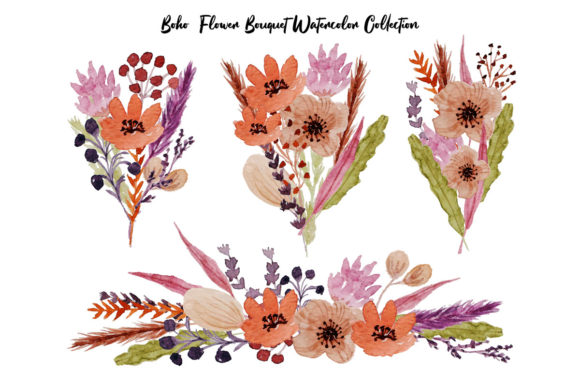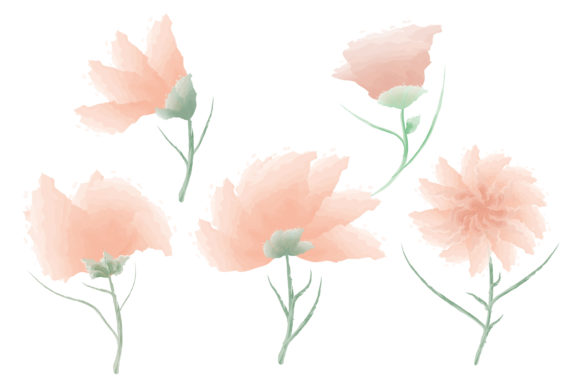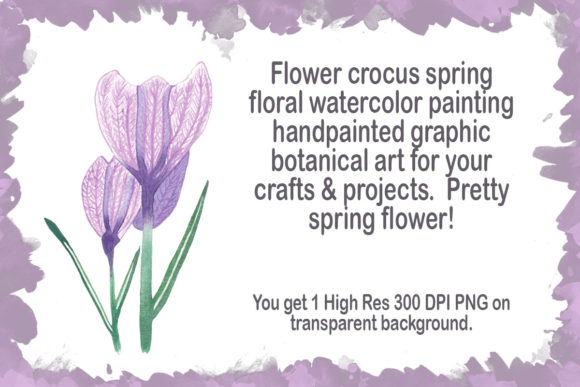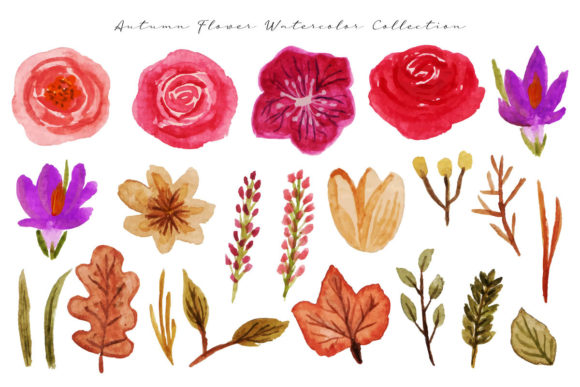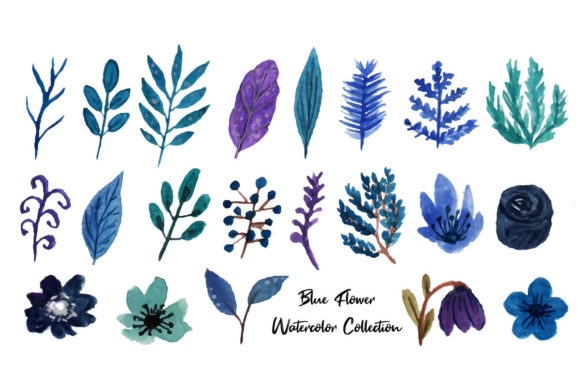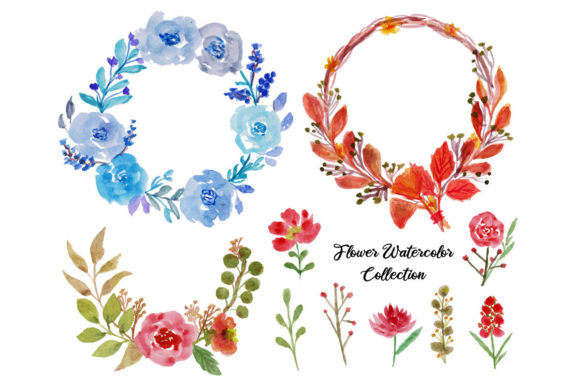
Mixed Flower Watercolor Illustrations
As a blog designer and digital publisher, I’m always on the lookout for graphic design assets that elevate content without overwhelming it. Mixed Flower Watercolor is one such asset that brings a soft, artistic touch to editorial design and web design. With its delicate brushstrokes and vibrant hues, this set of illustrations feels like a breath of fresh air in a world dominated by minimalism and flat design.
The First Impression: Aesthetic That Speaks Volumes
When I first opened the Mixed Flower Watercolor files, I was struck by how effortlessly it balances creativity with professionalism. The watercolor style evokes a sense of warmth and approachability, making it ideal for lifestyle, wellness, and creative niches. It doesn’t feel overly playful or childish—it’s more like a curated collection of nature-inspired art that can fit into a variety of content types.
This aesthetic naturally supports content that leans into personal development, home decor, floral arrangements, and seasonal themes. Whether you’re creating a blog post about self-care or a digital guide on garden design, the Mixed Flower Watercolor illustrations add a layer of visual storytelling that resonates with readers.
Real-World Applications for Content Publishers
For bloggers and content creators, Mixed Flower Watercolor offers a versatile toolkit for enhancing visual communication. It works beautifully as a blog graphics element, especially when paired with engaging headlines. Imagine using a watercolor flower as a header for a post on morning routines or as a background for a downloadable printable checklist.
It also shines in social media graphics, where eye-catching visuals are key. Pinterest pins featuring these illustrations can stand out in a crowded feed, while Instagram posts and Facebook banners gain an extra layer of sophistication. For affiliate marketers, the asset can be used in product review visuals or as part of a lead magnet that encourages sign-ups.
In editorial design, Mixed Flower Watercolor adds a decorative yet professional flair. It can be used as an accent in newsletters, as a backdrop for content upgrades, or even as a background for a website header. Its clean lines and organic shapes make it adaptable for both modern design and more traditional layouts.
Boosting Content Performance with Visual Hierarchy
One of the most valuable aspects of Mixed Flower Watercolor is how it supports visual hierarchy. When used strategically, it helps draw attention to key elements without distracting from the main message. This is especially important for content marketing, where clarity and engagement go hand-in-hand.
By incorporating these illustrations into your design system, you can create a stronger brand identity that readers recognize and trust. Whether it’s a downloadable resource, a digital guide, or a Canva template, the consistent use of Mixed Flower Watercolor reinforces your brand’s visual language and makes your content more shareable.
Where Mixed Flower Watercolor Excels
This asset thrives in areas where aesthetics and functionality meet. Hero images on landing pages benefit from its soft, inviting look, while article thumbnails gain a more polished appearance. Pinterest pins featuring these illustrations tend to perform better due to their visual appeal and unique style.
For newsletter headers, Mixed Flower Watercolor adds a personal touch that can increase open rates. In digital ads and affiliate content visuals, it provides a subtle but effective way to differentiate your offerings from competitors. Even in media kits and business proposals, the illustrations add a professional yet creative edge.
Where to Use with Caution
While Mixed Flower Watercolor is visually appealing, it’s not a one-size-fits-all solution. On small mobile thumbnails, the details may get lost, so it’s best to simplify or crop the image for optimal visibility. In text-heavy blog images, it can become a distraction rather than a support element.
For serious professional niches or corporate websites, this style might feel too whimsical. Similarly, in busy layouts or low-contrast backgrounds, the illustrations may not stand out as intended. It’s important to test them in real publishing scenarios before committing to a full rollout.
Publisher Notes: Testing and Optimization
Before integrating Mixed Flower Watercolor into your workflow, there are several steps to take. Test it on both desktop and mobile screens to ensure it looks good at all sizes. Preview it inside a real blog layout to see how it interacts with other design elements.
Check how it looks with headline text—does it complement the typography, or does it clash? Try it in black and white to assess its versatility. Place it beside different font styles to see how it interacts with serif, sans serif, script, and display fonts.
Also, pay attention to file size and compression. Large image files can slow down your site, so optimizing them for web performance is essential. Finally, confirm the commercial license to ensure it’s suitable for monetized websites, affiliate pages, or paid content products.
Final Thoughts: A Versatile Addition to Any Designer’s Toolkit
Mixed Flower Watercolor is more than just a pretty set of illustrations—it’s a practical tool for publishers looking to enhance their digital presence. Whether you're working on a blog, a digital product, or a creative marketplace offering, this asset can help you create content that’s both beautiful and functional.
From editorial design to social media graphics, it offers a balance of artistic expression and usability that fits well within modern design trends. As a blogger or digital marketer, investing in high-quality design assets like Mixed Flower Watercolor can make a significant difference in how your content is perceived and shared.