Bakery Watercolor Wreath. Cookbook. Review
As a designer who spends more time staring at stitch simulations than actual finished garments, I approach every new machine embroidery design with a mix of excitement and skepticism. We've all been there: a file looks stunning on the screen, but once it hits the fabric, the details muddy, or the density becomes unmanageable. Today, I'm taking a close look at Bakery Watercolor Wreath. Cookbook., a piece from the Illustrations category that promises a soft, artistic vibe for culinary-themed projects. This isn't just a visual critique; it's a practical assessment of how this design holds up when you're trying to build a reputable craft business or create a meaningful personalized gift.
First Impressions: Mood and Visual Personality
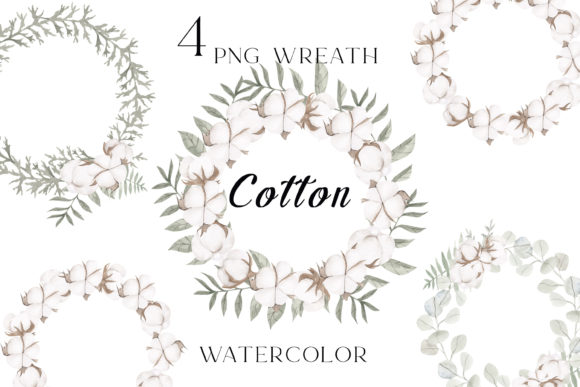
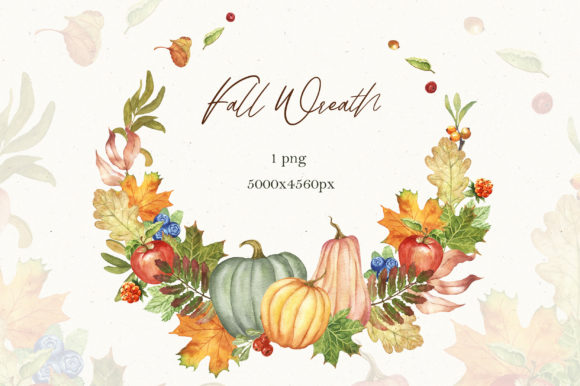
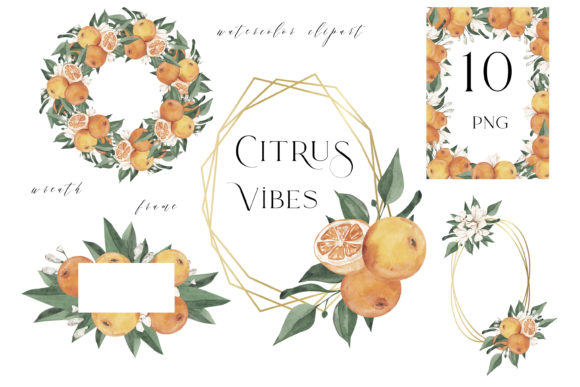
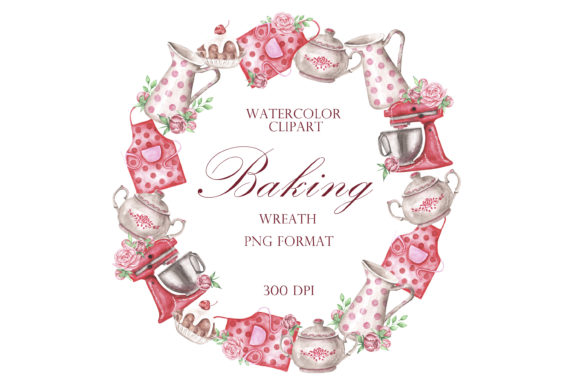
The moment I loaded Bakery Watercolor Wreath. Cookbook. into my digitizing software, the mood was immediately clear. It captures that trendy, hand-painted watercolor aesthetic that has taken the home decor and boutique markets by storm. Unlike traditional, rigid embroidery motifs, this design relies on a softer flow, mimicking the bleed of paint on paper. The layout features a circular wreath composition, likely incorporating baking tools, ingredients, or botanical elements that suggest a cozy kitchen atmosphere.
For an Etsy seller or small shop owner, the visual personality here is gold. It speaks directly to the "farmhouse chic" and "modern maker" demographics. However, translating a watercolor look into thread is notoriously tricky. The success of this embroidery project hinges on how well the digitizer managed the transition between color blocks. If the steps are too harsh, you lose the watercolor illusion; if they are too subtle, the design lacks definition from a distance. My initial read suggests this design leans heavily on varied thread colors to achieve depth, which means your thread inventory needs to be up to par.
Real-World Application: The Apron Scenario
To truly test the viability of Bakery Watercolor Wreath. Cookbook., I imagined a specific real-life scenario: creating a line of custom aprons for a local baking supply store. These aren't just promotional items; they are premium products intended for serious home bakers. In this context, the design needs to look professional, durable, and high-value.
Placing this wreath on the bib of a canvas or twill apron works exceptionally well. The circular shape frames the chest area nicely without overwhelming the garment. Because the theme is explicitly culinary, it reinforces the purpose of the item instantly. For a handmade product like this, the design adds a layer of perceived value that a simple text logo cannot match. It transforms a utility item into a statement piece. Furthermore, because the motif is contained within a wreath, it avoids the issue of long, dangling elements that might catch on oven handles or mixers, making it practical for actual use in the kitchen.
Beyond aprons, I can see this working beautifully on tote bag designs for farmers' market vendors or as a central motif on sweatshirt embroidery for a cozy holiday collection. The versatility lies in its thematic neutrality; while it says "bakery," it doesn't scream a specific brand, making it perfect for white-label commercial embroidery projects where the end-user wants to add their own text later.
Technical Considerations and Fabric Compatibility
Here is where we need to be realistic. Watercolor-style designs often utilize complex fill stitch patterns to mimic shading. When dealing with Bakery Watercolor Wreath. Cookbook., you must pay close attention to stitch density. High-density areas can cause puckering, especially on lighter weight fabrics. If you are planning to stitch this on a thin cotton tea towel or a stretchy jersey knit for baby embroidery, proceed with caution.
I strongly recommend testing this embroidery file on scrap fabric that matches your final project material. Pay particular attention to the inner corners of the wreath and any fine detailing within the cookbook or utensil elements. Small details can easily get lost if the hoop size is too large relative to the design, causing registration issues, or if the stabilizer isn't robust enough. For textured fabrics like waffle weave or heavy linen, the "soft" edges of the watercolor effect might get swallowed by the fabric texture, reducing clarity.
If you intend to use this on dark fabric, check the underlay settings. A watercolor effect often relies on the fabric showing through or light thread coverage; on black navy, you may need a dense white underlay to make the colors pop, which increases the thickness of the final stitch-out. Always verify if the design includes a satin stitch border. A satin stitch outline can help define the shape against busy backgrounds but might alter the intended soft aesthetic of the original illustration.
Enhancing Brand Value and Customer Trust
In the world of digital embroidery file sales and custom manufacturing, consistency is key. Using a high-quality design like Bakery Watercolor Wreath. Cookbook. signals to your customers that you care about aesthetics. It elevates the finished product from a generic item to a curated good. For creative entrepreneurs, this kind of asset helps build a cohesive brand identity. Imagine a bakery offering a loyalty program where members receive an embroidered tote with this wreath; it creates a sense of community and exclusivity.
Moreover, the "giftability" factor is high. Items featuring this design would make excellent holiday embroidery gifts for hostesses, wedding presents for couples who love to cook, or housewarming tokens. The emotional connection to baking and home life makes the recipient feel understood. However, remember that customer trust is built on durability. Ensure that the stitching is secure enough to withstand frequent washing, especially for items like aprons and towels. Poorly secured threads or excessive puckering after the first wash can damage your reputation faster than anything else.
Practical Notes for Designers and Makers
Before you commit to a full production run or list this as a printable mockup in your shop, keep these actionable tips in mind:
- Stabilizer Selection: Given the likely density of a watercolor fill, use a cut-away stabilizer for garments that will be washed often, and tear-away only for stable, decorative items like pillow covers.
- Thread Contrast: Test the design in both variegated and solid threads. Sometimes, a variegated thread can enhance the watercolor look, but it can also obscure fine details if the color changes happen at critical points.
- Mockup Testing: Create black and white mockups to check the contrast. If the design disappears in grayscale, it may lack the necessary definition for distant viewing.
- Licensing Check: Always confirm the license terms provided with the file. Some design assets are for personal use only, while others allow for unlimited commercial sales of finished physical goods. Do not assume you can sell the digital file itself unless explicitly stated.
- Fabric Texture: Avoid using this on highly textured fabrics like bouclé or heavy corduroy unless you are aiming for a distressed look, as the smooth gradients of the watercolor style will fight against the rough surface.
Ultimately, Bakery Watercolor Wreath. Cookbook. offers a charming, versatile option for those looking to inject some artistic flair into their culinary-themed projects. It bridges the gap between digital art and tactile craftsmanship effectively, provided the user respects the technical limitations of the medium. Whether you are an apparel decorator looking for the next big trend or a hobbyist making a special gift, this design has the potential to deliver a professional, heartwarming result. Just remember: the secret to great embroidery isn't just the file; it's the preparation, the material choice, and the eye for detail that you bring to the hoop.